Understanding Delta 9 Distillate: What It Is and How to Use It
@delta9distillate
October 16, 2026 · 7 min read
What Makes Delta 9 Distillate Different?
If you have spent any time around cannabis concentrates, you have likely heard the term "distillate" thrown around. But delta 9 distillate is a specific product that deserves its own conversation. Unlike standard extracts that rely on solvent extraction or CO2 extraction, distillate is produced through a careful distillation process that separates cannabinoids and terpenes by their boiling points. The result is a highly refined cannabis concentrate that offers both potency and a cleaner cannabinoid profile than many other products on the market.
I remember the first time I tried a proper distillate. A friend handed me a small glass vial with a dark amber liquid inside. He told me to be careful because it was "the good stuff." I loaded a tiny drop onto my dab tool, touched it to the hot quartz banger on my rig, and inhaled. The psychoactive effects hit me almost immediately. That experience taught me that not all concentrates are created equal, and delta 9 distillate sits in a class of its own when it comes to purity and strength.
The Science Behind Distillation
Distillation is not new. Humans have been distilling alcohol and essential oils for centuries. The same principle applies to cannabis. When you heat the cannabis plant material under vacuum or at controlled temperatures, the volatile compounds vaporize at different points. The delta-9-tetrahydrocannabinol, commonly known as THC, vaporizes at a higher temperature than many lighter terpenes. By carefully controlling the temperature and collecting the vapor, producers can isolate a fraction that is rich in THC and other desired cannabinoids while leaving behind waxes, chlorophyll, and other plant matter that can muddy the flavor and experience.
This process yields a full-spectrum extract that preserves a wider range of cannabinoids and terpenes than simple solvent-based methods. The entourage effect, where multiple cannabinoids work together to produce a more balanced experience, is stronger in a well-made distillate. That is why many experienced users prefer delta 9 distillate over other concentrates like isolates or synthetic alternatives. You get the potency of THC along with the subtle contributions of minor cannabinoids and terpenes that shape the overall effect.
How Does Delta 9 Distillate Compare to Other Concentrates?
There are many ways to concentrate cannabis. You have your solvent extraction methods, like using butane or ethanol to strip cannabinoids from plant material, and you have mechanical methods like dry sifting or ice water extraction. Each has its strengths. Solvent extraction can produce very high yields, but it can also pull unwanted compounds that affect taste and smoothness. CO2 extraction uses pressurized carbon dioxide to act as a solvent, and it is considered a clean method, but it still produces a product that contains a lot of plant lipids and waxes.
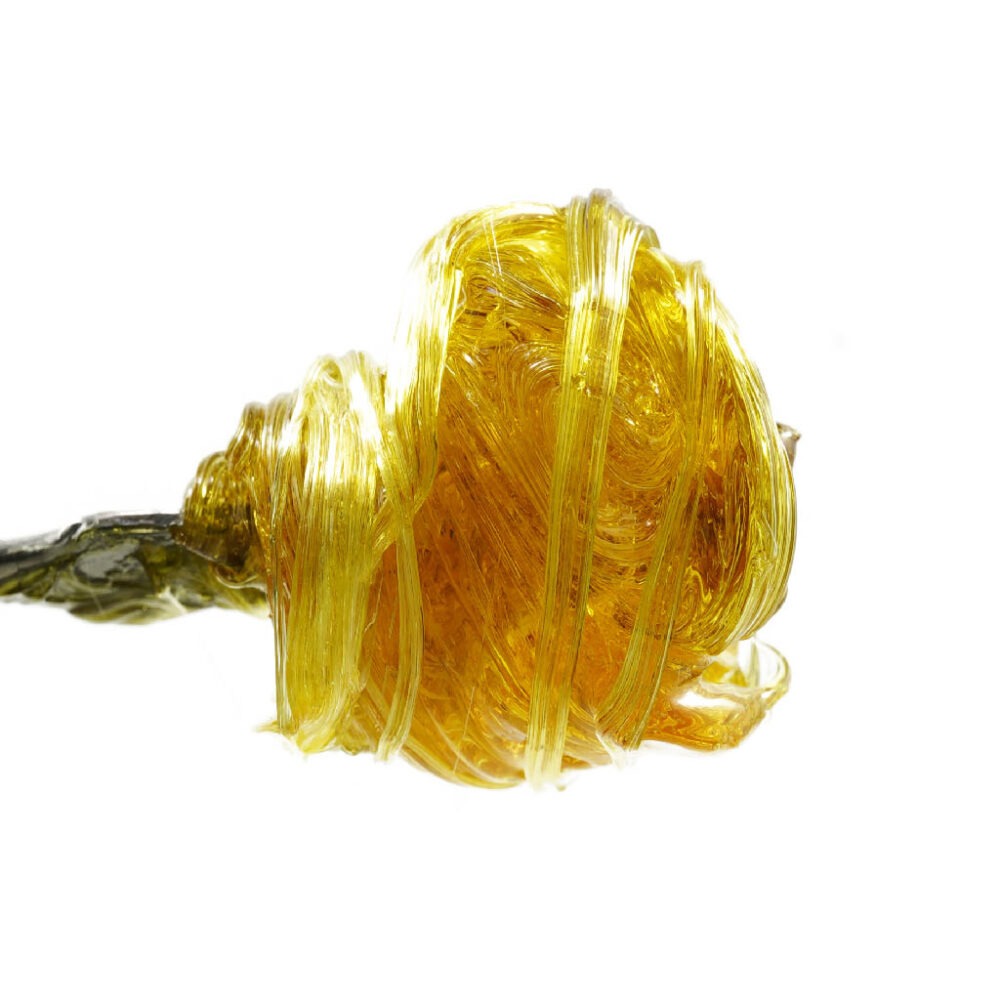
Distillation, on the other hand, refines the extract further. The delta 9 distillate you get from a good producer is often much lighter in color and thinner in consistency than a typical CO2 oil or solvent extract. It flows like a thin syrup rather than a thick paste. That consistency makes it ideal for filling vape cartridges because it wicks properly and does not clog the atomizer. I have seen many people try to put standard RSO or FECO into a vape cartridge, only to end up with a burnt coil and a wasted cart. Distillate handles the job without issue.
Potency is another area where distillate shines. Because the distillation process removes a lot of the inert plant solids, the final product can reach very high THC percentages, sometimes over 90 percent. That is significantly higher than what you get from most flower or even many standard concentrates. But high potency also means you need to be careful with dosing. If you are new to concentrates, start with a tiny amount. A grain of rice is plenty for most people. Dabbing too much delta 9 distillate can lead to an overwhelming experience, especially if you are not accustomed to strong psychoactive effects.
Using Delta 9 Distillate: Dabbing, Vaping, and More
The most common way to consume delta 9 distillate is through dabbing. You heat a nail or banger on your rig to the right temperature, usually between 315 and 450 degrees Fahrenheit depending on your preference, then use a dab tool to place a small amount of distillate onto the hot surface. Inhale through the mouthpiece, and you get a smooth vapor that delivers the cannabinoids directly to your lungs. Lower temperatures preserve more terpenes and provide better flavor, while higher temperatures produce thicker clouds and a stronger immediate effect.
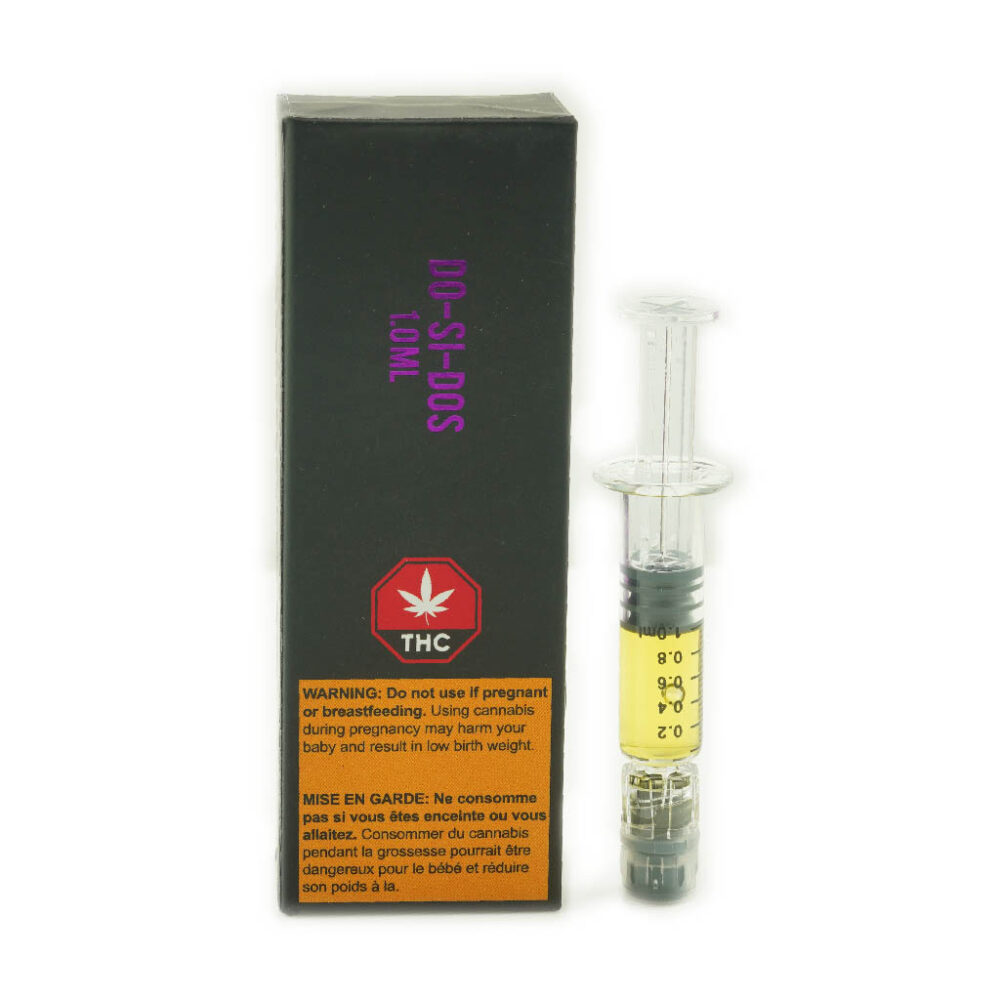
If you do not own a rig, you can still enjoy distillate. Many people fill vape cartridges with distillate mixed with a suitable thinning agent, like propylene glycol or MCT oil, to create a vape oil that works in standard vape pens. This method is discreet and convenient for on-the-go use. I have a friend who keeps a distillate-filled vape cartridge in his pocket for stressful days at work. He takes a small puff when he needs a moment of calm, and the effects come on quickly without the telltale smell of burning flower.
For those who prefer a more traditional method, you can also use a chillum or a simple glass pipe designed for concentrates. You will need a small torch lighter and a dab tool, but the setup is minimal. The key is to not overheat the distillate. If it starts to smoke rather than vaporize, you have gone too hot and you are burning off the terpenes and cannabinoids. A good rule of thumb is to heat the nail, let it cool for a few seconds, then apply the distillate. Experiment with the timing to find your sweet spot.
Hemp-Derived Delta 9 Distillate: Legal Considerations
Because delta 9 distillate can be derived from hemp as well as from marijuana, the legal landscape varies. The 2018 Farm Bill federally legalized hemp and its derivatives, as long as the final product contains less than 0.3 percent delta-9-tetrahydrocannabinol by dry weight. However, distillate is a concentrate, so the math changes. A small amount of hemp-derived distillate can contain a significant amount of THC per volume. Some producers sell hemp-derived delta 9 distillate that is technically compliant because it comes from hemp plants, but the concentration of THC is still high enough to produce psychoactive effects. Always check your local laws before purchasing or possessing any concentrate. What is legal in one state may be illegal in another, and the rules around distillates are still evolving.
What to Look for When Buying Delta 9 Distillate
Not all distillate is created equal. Quality varies widely based on the starting material, the distillation equipment, and the skill of the operator. Here are a few things to consider when shopping for delta 9 distillate:
- Source material: Look for products made from organically grown hemp or cannabis. Clean inputs yield cleaner distillate.
- Third-party testing: A reputable seller will provide a certificate of analysis showing the cannabinoid profile and confirming the absence of contaminants like residual solvents or heavy metals.
- Appearance and consistency: Good distillate is usually a light amber to golden color and flows like a thin oil. Dark, thick, or cloudy distillate may indicate poor processing or contamination.
- Terpene profile: If you care about flavor, look for distillate that has been produced at low temperatures to preserve volatile terpenes. Some producers even offer strain-specific distillate that retains the unique aroma of the source plant.
- Potency: Decide how strong you want the product to be. Some distillates are intentionally diluted with carrier oils for easier handling, while others are sold at full strength. Read the label carefully.
Storing and Handling Your Distillate
Delta 9 distillate is sensitive to heat, light, and air. Store it in a cool, dark place, preferably in a glass container with a tight seal. I keep mine in a small amber dropper bottle inside a drawer. Over time, exposure to oxygen can cause the THC to degrade into CBN, which is less psychoactive and more sedating. If you notice your distillate turning darker or thickening, it may be oxidizing. That does not mean it is unsafe, but the effects will change. Use it before it changes too much.

When handling distillate, use a dab tool made of glass, titanium, or ceramic. Avoid plastic tools because some plastics can leach chemicals into the product, especially if the distillate is warm. Also, wash your tools regularly to prevent buildup of old residue that can affect the flavor of your next dab.
Final Thoughts
Delta 9 distillate represents a refined approach to cannabis concentrates. It offers a clean, potent experience that highlights the best of what the cannabis plant has to offer. Whether you are dabbing it from a rig, filling vape cartridges, or just learning about the different types of extracts, understanding the distillation process helps you appreciate the craftsmanship behind the product. Start low, go slow, and enjoy the ride.